

-
$189.95 AUDUnit price /Unavailable
-
$17.95 AUDUnit price /Unavailable
-
$39.95 AUDUnit price /Unavailable
-
$12.95 AUDUnit price /Unavailable
-
$3.90 AUDUnit price /Unavailable
-
$5.50 AUDUnit price /Unavailable
-
$1.00 AUDUnit price /Unavailable
-
$3.95 AUDUnit price /Unavailable
-
$7.50 AUDUnit price /Unavailable
-
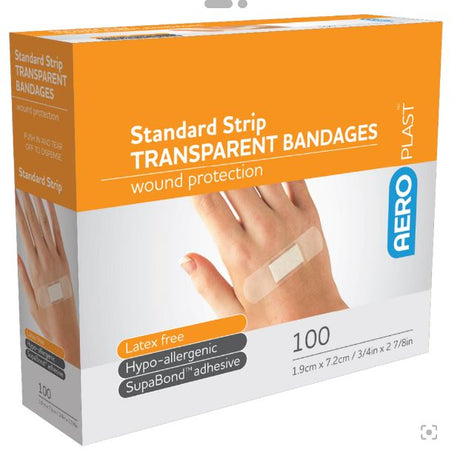
Transparent Waterproof Adhesive Dressing, Small 7.2 x 1.9cm Box/100
$10.95 AUDUnit price /Unavailable$10.95 AUDUnit price /Unavailable -
$2.50 AUDUnit price /Unavailable
-
$4.25 AUDUnit price /Unavailable
-
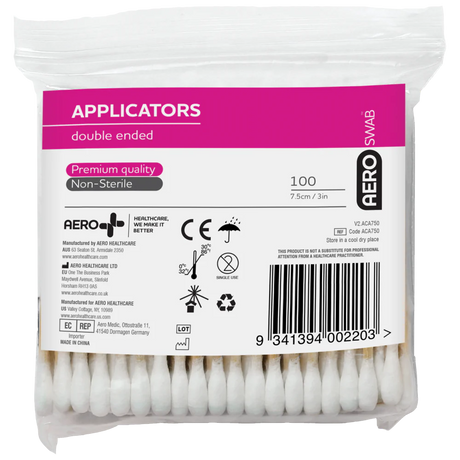
Cotton Tip Applicator (Non-sterile) Double End Applicators 7.5cm Bag/100
$2.95 AUDUnit price /Unavailable$2.95 AUDUnit price /Unavailable





Medication that has to travel with you is its own problem. Keeping it cool, keeping it together, and dealing safely with what is left over afterwards.
CARRYING MEDICATION THAT HAS TO STAY COOL
Fridge-line medication does not travel well in a handbag, and the gap between the fridge and where you are going is usually longer than planned.
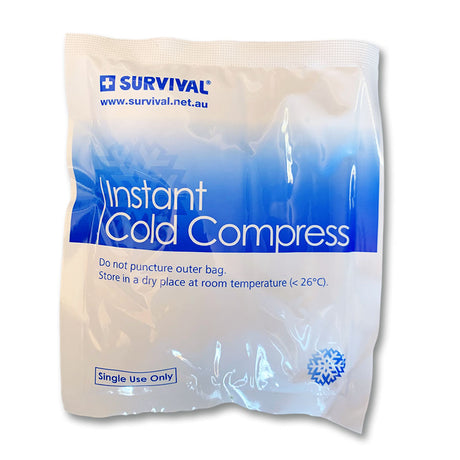
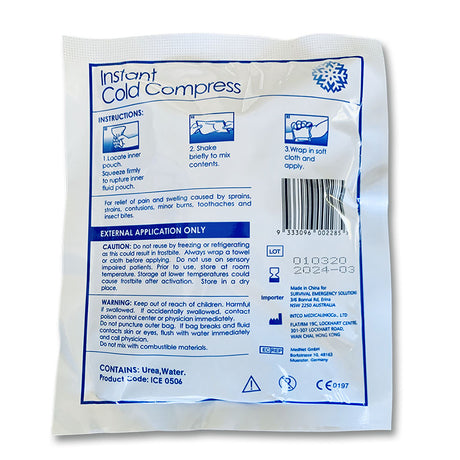
An insulated carrier holds temperature long enough to cover that gap, and keeps everything in one place so nothing gets left on a kitchen bench.
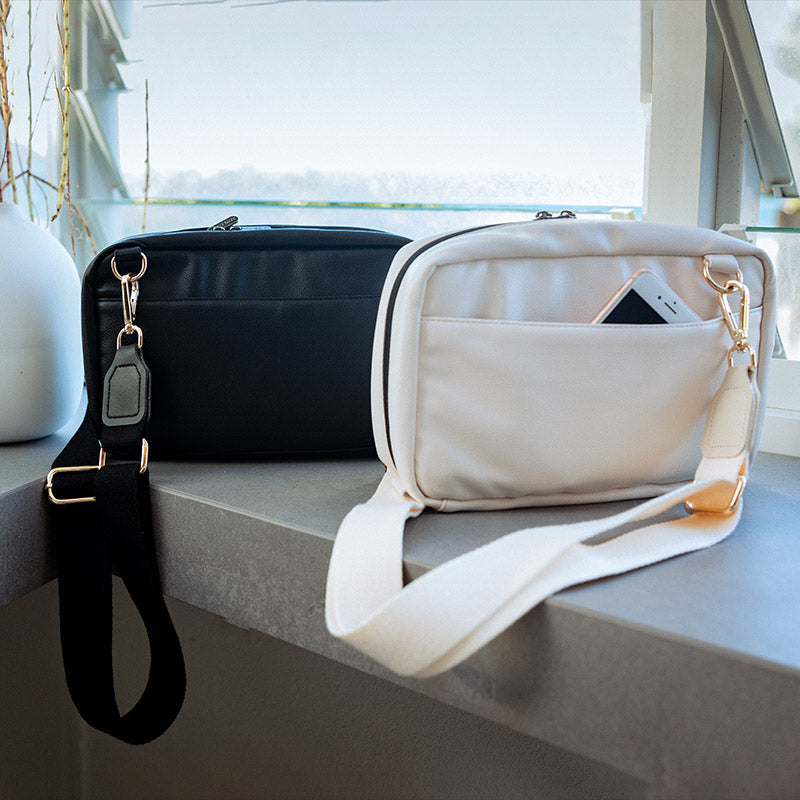
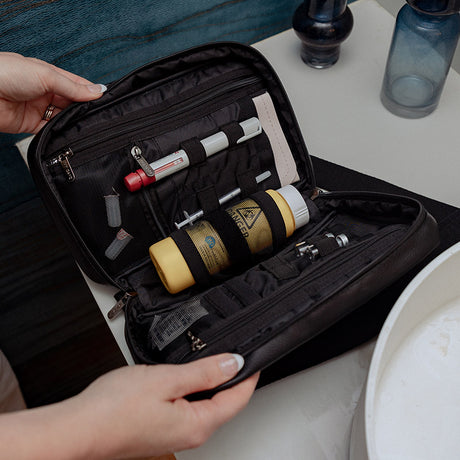
The Ivy Dayz On-The-Go Pouch is built for temperature-sensitive medication and arrives with an injection preparation mat, two travel sharps containers, gel ice packs and a storage bag. Ivy Dayz make a wider range of medication organisation and cool therapy products at ivydayz.au.
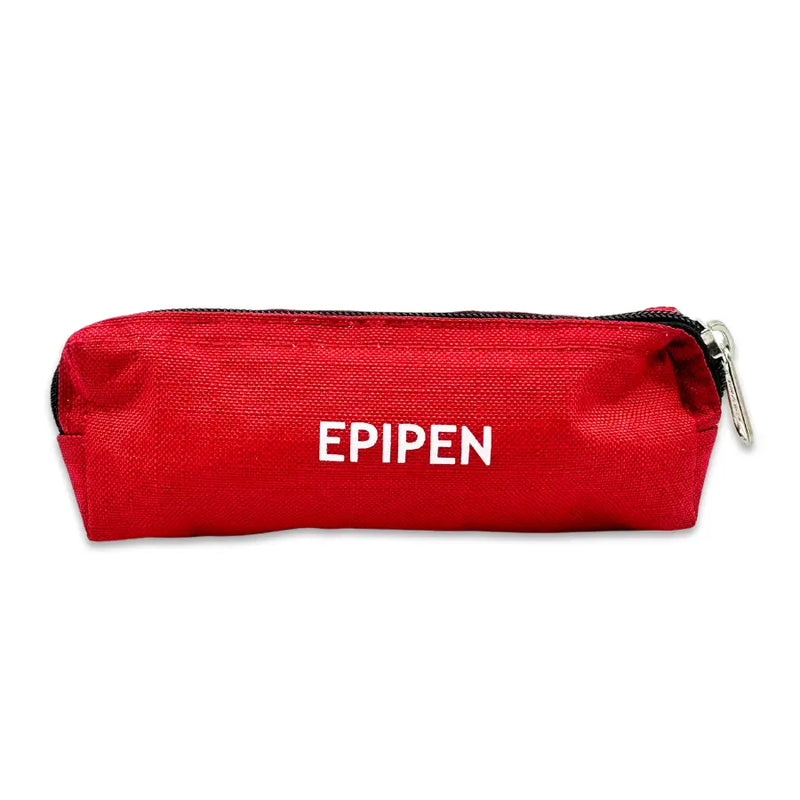
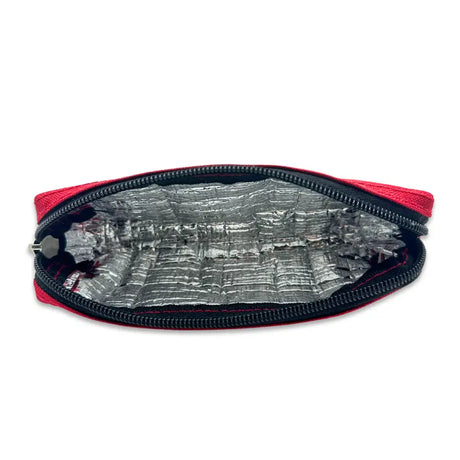
For a single auto-injector, the EpiPen Insulated Pouch does the same job in a much smaller format, and makes the thing findable by someone who is not you.
DISPOSING OF SHARPS SAFELY
Used needles should never go in a household bin, a hotel bin, or anything someone else has to empty by hand.
A rigid, puncture-resistant container with a secure lid is the only safe option. When it is full, disposal rules vary by state. Many councils and pharmacies across Australia accept full containers, and some run dedicated drop-off points, so check with your local council rather than assuming.
Two sizes here. A 150ml screw-top that fits in a bag or a pouch, and a 1.4L container for a fixed spot at home.
SKIN CARE AROUND AN INJECTION
Use whatever your clinic or prescriber has told you to use on the injection site itself. That advice is specific to your treatment and it is the instruction to follow.
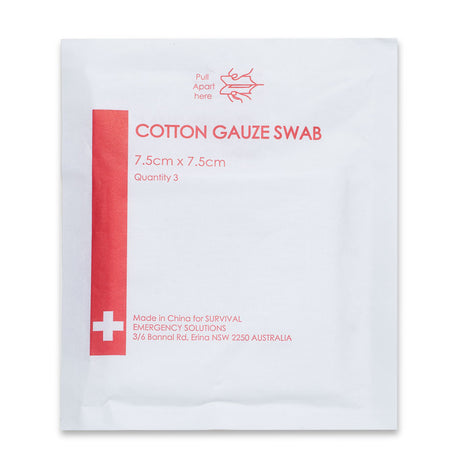
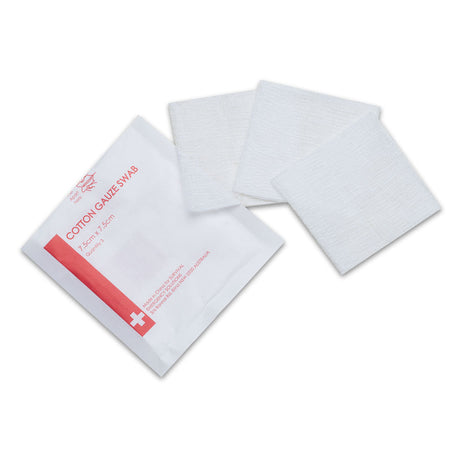
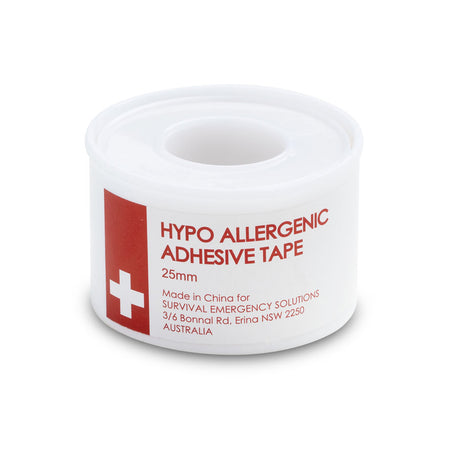
What this page covers is everything around it. Skin cleaning wipes and sterile gauze swabs for cleaning skin generally. Hypoallergenic tape, which matters if your skin reacts to standard adhesive, and that becomes relevant fast when you are injecting in the same few places for weeks at a time.
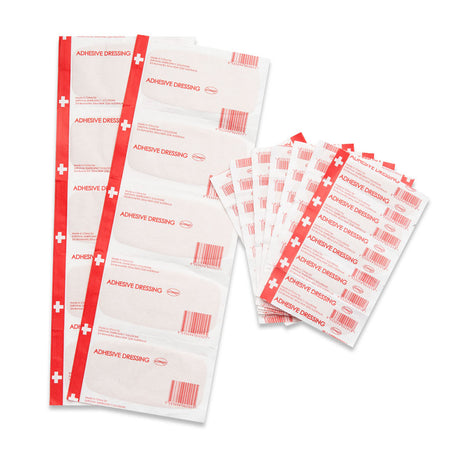
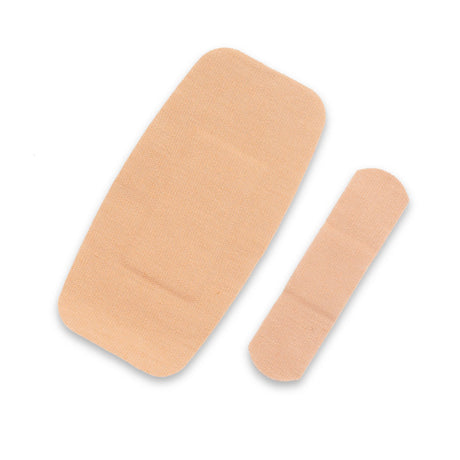
Adhesive dressings handle anything that bleeds afterwards, and transparent waterproof dressings are worth having if the site is going to get wet.
FERTILITY TREATMENT
An IVF cycle turns into a logistics exercise very quickly: timed injections, medication that has to stay cold, sharps to deal with, and all of it while getting on with an ordinary week.
The On-The-Go Pouch was designed for exactly that, by people who had been through it. It is a handbag rather than a medical-looking case, which matters more than it sounds like it should when you are carrying it into an office.
DIABETES AND DAILY MEDICATION
The same problems apply to anyone managing a condition that involves regular injections and temperature-sensitive medication.
Heat is the practical enemy in this country. A car in an Australian summer is not a place to leave anything that lives in a fridge, which is the argument for a carrier that comes with you rather than a bag left in a boot.
TRAVELLING AND FLYING
Carry medication in hand luggage rather than checked baggage, so it stays with you and stays at a temperature you control.
Take documentation from your prescriber, keep medication in its original labelled packaging, and check your airline's requirements before you fly rather than at the gate. Rules differ between airlines and countries and they do change.
Sharps containers and needles generally require that documentation. Ask your clinic for a letter before you go.
This page covers carrying, cooling and disposal. It is not medical advice. Follow the instructions from your prescriber or clinic.
Also see First Aid Supplies, Bags and Travel.
